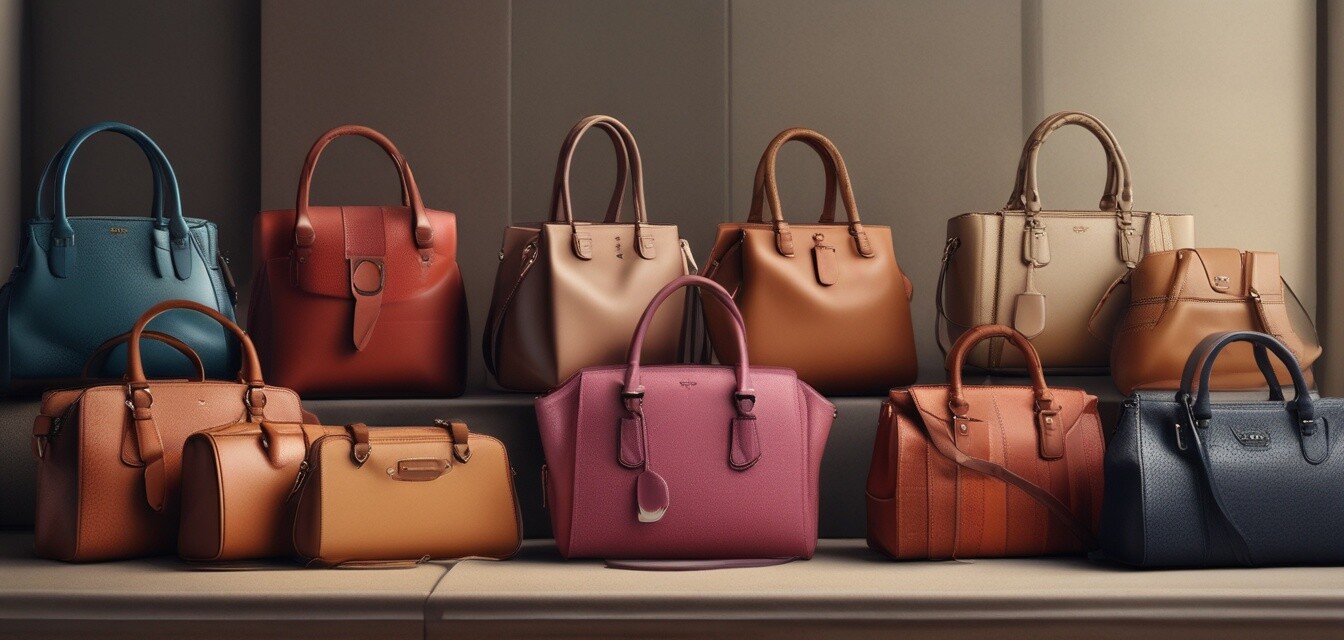
Top things to look for when authenticating a bag
Key Takeaways
- Examine craftsmanship: Look for quality stitching and materials.
- Check for authenticity marks: Brand stamps and serial numbers are crucial.
- Know the brand: Research brand-specific details and quirks.
- Handle the bag: Assess weight and texture for authenticity.
When it comes to purchasing designer handbags, the desire for authenticity is paramount. Avoiding counterfeit bags not only secures your investment but also ensures that your handbag transcends temporary trends. In this guide, we'll explore the critical elements of handbag authentication to help you make a smart purchase. You'll gain insights that empower you to shop confidently.
Understanding authenticity
Authenticating a designer handbag involves several steps that focus on specific characteristics of the bag. By learning how to verify authenticity, you can significantly reduce the chances of buying a fake bag that might appear appealing at first glance. Below, we detail the essential factors to look for in handbag authentication.
1. Examine craftsmanship
Quality craftsmanship sets authentic handbags apart from replicas. Here are factors to consider:
- Stitching: Authentic bags feature even, consistent stitching. Check for missed stitches, loose threads, or irregular patterns.
- Materials: Genuine designer handbags are crafted from high-quality materials, whether it's leather, canvas, or synthetics. Be mindful of the feel and smell.
- Weight: Authentic bags often feel heavier due to the use of quality materials.
2. Check for authenticity marks
Most designer handbags come with certain authenticity markers. Make sure to look for:
- Brand stamps: Locate the brand's logo, which should be clean and precise without any signs of rubbing or fading.
- Serial numbers: Many brands add a unique serial number tag, often located in unseen areas of the bag.
- Holograms or authenticity cards: Some brands provide additional verification methods.
3. Know the brand
Research the brand you're interested in, focusing on specific characteristics:
- Design details: Different brands have unique design elements, such as stitching patterns or hardware styles.
- Production years: Familiarize yourself with changes in design over the years to spot inconsistencies.
- Brand reputation: Read reviews and guides on the brand to understand what to expect from their products.
4. Handle the bag
When you can, physically handling the bag can provide many clues about its authenticity:
- Texture: Genuine leather feels luxurious and supple compared to cheaper materials.
- Weight: High-quality handbags are usually heavier due to their premium materials.
- Functionality: Test zippers and closures; they should function smoothly without snagging.
Using comparison tables for quick reference
To summarize the key attributes of authentic handbags versus fakes, the comparison table below encapsulates these points effectively:
| Feature | Authentic Handbags | Fake Handbags |
|---|---|---|
| Stitching quality | Consistent and uniform | Inconsistent and sloppy |
| Material | Premium materials like fine leather | Inexpensive substitutes |
| Weight | Heavier due to quality | Lightweight and flimsy |
| Brand markings | Clear and precise | Faded or poorly rendered |
Final thoughts on handbag authentication
Knowing how to authenticate a designer handbag is an essential skill for any shopper looking to invest wisely. For more in-depth information on specific styles, you can check out our guides, such as our Classic Handbags and Crossbody Bags. Whether you are a first-time buyer or a seasoned collector, understanding these key factors will help you avoid pitfalls when purchasing your next handbag.
Tips for beginners
- Start slow: Don’t rush into buying; take your time to learn about the brands.
- Ask for help: Leverage expert communities that focus on authentication and brand knowledge.
- Keep receipts: Always retain purchase receipts as proof of authenticity.
Pros
- Ensures you buy a genuine item.
- Protects your investment in designer fashion.
- Enhances your shopping confidence.
Cons
- Can require extensive research.
- May need experience in handling bags.
- Time-consuming process for first-time buyers.
Learn more about handbag types
If you want to delve deeper into various handbag categories, check out our Evening Clutches and Satchels & Shoulder Bags. Understanding different types can help refine your preferences and choices during the buying process.
With this comprehensive information, you are better prepared to spot authentic designer handbags. Happy shopping!