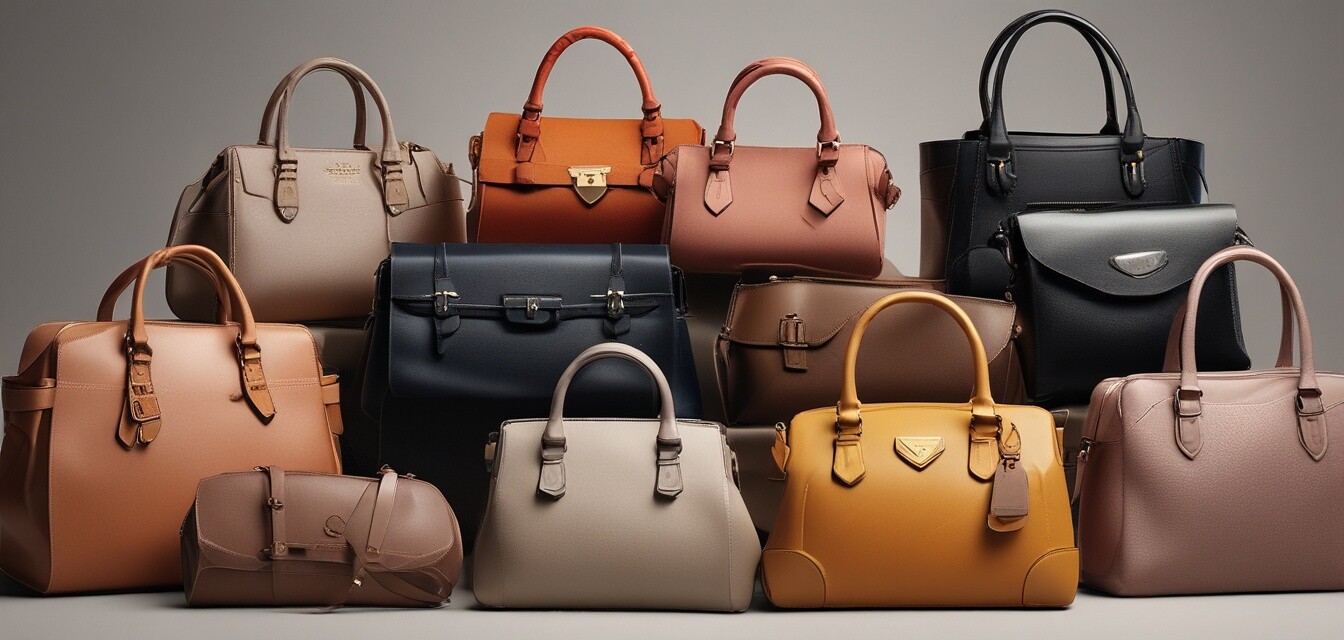
The Ultimate Guide to Buying Pre-Owned Designer Bags
Welcome to your go-to guide for purchasing pre-owned designer bags! In this article, we'll explore everything you need to know to make informed and confident decisions in the world of luxury handbags. From understanding materials to spotting authenticity, we've got you covered.
Key Takeaways
- Research brand reputation and resale value.
- Inspect materials and craftsmanship for quality assurance.
- Know how to authenticate designer labels.
- Understand the importance of condition grading.
- Set a budget before exploring options.
Why Choose Pre-Owned Designer Bags?
Investing in pre-owned designer bags can offer you unique advantages:
- Value for Money: You can save a significant amount compared to buying new.
- Exclusive Styles: Many vintage pieces may no longer be available, adding uniqueness to your collection.
- Resale Potential: Certain bags appreciate in value over time, making them a smart investment.
Factors to Consider When Buying Pre-Owned Designer Bags
1. Brand Reputation
Knowing a brand's reputation helps you make informed choices. Popular brands like Gucci, Louis Vuitton, and Chanel have strong market demand. Research their resale values and popularity.
2. Material and Craftsmanship
The material of the handbag plays a huge role in its durability and appearance. Common materials include:
| Material | Description |
|---|---|
| Leather | Durable and classic, leather ages beautifully. |
| Canvas | Lightweight material often used by designer brands for casual bags. |
| Synthetic | Affordable alternatives that mimic luxury leathers. |
3. Authenticity Assurance
Before you buy, it’s crucial to confirm the bag's authenticity. Here are some tips to spot genuine designer bags:
- Check for original tags and authenticity cards.
- Look for quality stitching and hardware.
- Verify serial numbers and hologram stickers.
4. Condition Grading
Understanding the condition of the bag is crucial for estimating its value. Common grading terms include:
| Condition | Description |
|---|---|
| Brand New | No signs of use, includes original packaging. |
| Very Good | Minor signs of wear, overall excellent condition. |
| Good | Visible wear and minor flaws, still functional. |
| Fair | Signs of heavy use, may require repairs. |
5. Setting a Budget
Determining a budget before beginning your search can streamline your shopping experience. Consider the following:
- Factor in potential repairs and cleaning costs.
- Be prepared to negotiate the price.
- Set a maximum limit to avoid impulse buying.
Where to Buy Pre-Owned Designer Bags
There are several avenues to find pre-owned designer bags, including:
- Online marketplaces: Websites specializing in designer resale.
- Luxury consignment shops: Physical locations with authentic selections.
- Auction sites: Great for finding rare pieces.
- Social media groups: Follow trusted accounts for offers on pre-owned bags.
Conclusion
Buying pre-owned designer bags not only allows you to save money but can also enhance your personal style with unique pieces. By understanding factors such as brand reputation, materials, authenticity, and condition grading, you can make smart purchasing decisions. Happy shopping!
Pros
- Affordable luxury compared to brand new bags.
- Unique vintage selections that stand out.
- Good potential for resale value.
Cons
- Risk of counterfeit products if not careful.
- Wear and tear might affect aesthetics.
- Limited return policies in many resale shops.