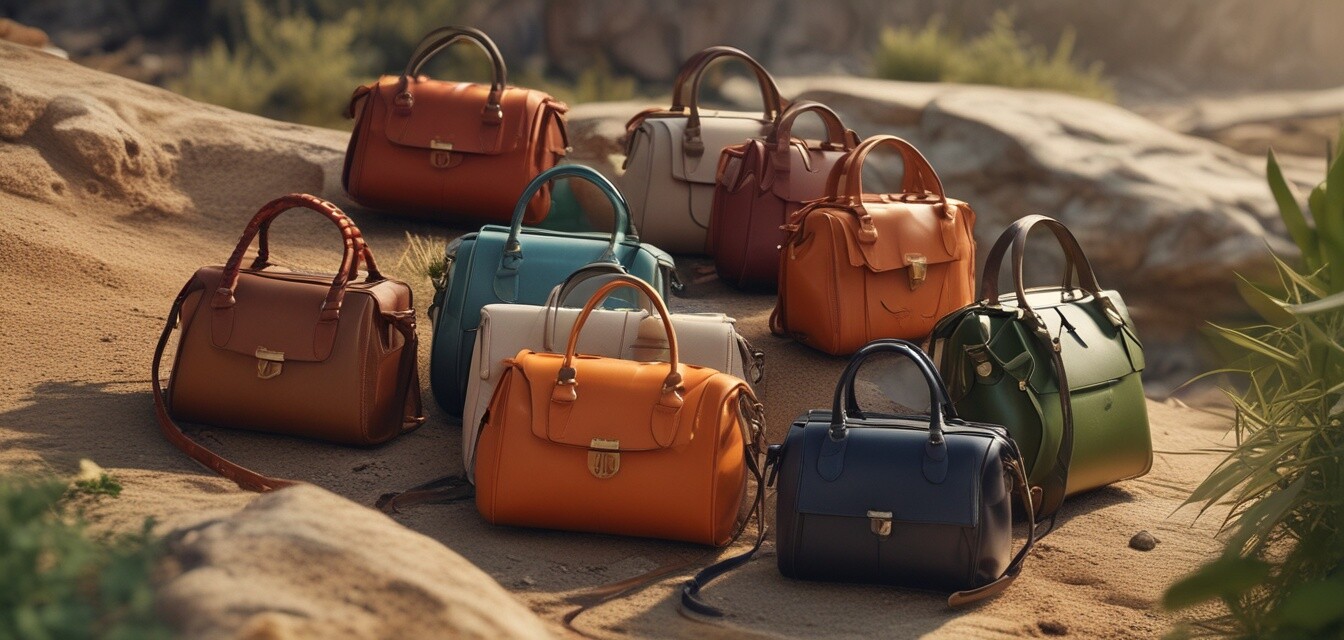
The Rise of Sustainable Fashion in Handbags
Key Takeaways
- The sustainable fashion movement is reshaping the handbag industry.
- Consumers are increasingly drawn to eco-friendly brands.
- Popular materials for sustainable handbags include recycled plastics, organic cotton, and biodegradable materials.
- Awareness of environmental issues is driving demand for sustainable options.
- Many luxury brands are incorporating sustainability into their designs.
In recent years, sustainability has become a crucial topic in the fashion industry, particularly in the realm of handbags. As we explore the growing trend of sustainable and environmentally friendly designer bags, it becomes clear that eco-conscious brands are not just a fad, but a key player in the evolution of fashion. This guide will take a closer look at what makes a handbag sustainable, popular eco-conscious brands, and how they are contributing to this significant shift.
What makes a handbag sustainable?
Sustainable handbags are designed with the environment in mind. Here are some of the key aspects that define a sustainable handbag:
- Materials: Handbags made from organic, recycled, or biodegradable materials.
- Manufacturing processes: Brands that utilize ethical production methods and ensure fair labor practices.
- Durability: Timeless designs that stand the test of time and reduce waste.
- Transparency: Brands that are open about their sourcing and manufacturing decisions.
Popular eco-conscious handbag brands
Several brands have emerged as leaders in the sustainable handbag movement. Here, we highlight a few notable names that are making a difference:
| Brand | Focus Area | Materials Used |
|---|---|---|
| Brand A | Recycled materials | Recycled plastics, vegan leather |
| Brand B | Organic fabrics | Organic cotton, hemp |
| Brand C | Fair-trade manufacturing | Biodegradable materials, sustainable leather |
| Brand D | Transparency in sourcing | Recycled canvas, upcycled materials |
The impact of sustainable trends on consumer choices
As awareness of environmental issues rises, more consumers are making choices aligned with their values. The impact of sustainable fashion trends on consumer purchasing behavior has been significant, leading to a noticeable shift in preferences for:
- Brands that prioritize sustainability.
- Handbags featuring eco-friendly materials.
- Designs that are versatile and timeless.
- Companies committed to ethical labor practices.
The future of designer handbags
Looking ahead, it is evident that the future of designer handbags will continue to embrace sustainability. More brands are likely to adopt eco-friendly practices in their product lines, appealing to a growing market of environmentally conscious shoppers. The integration of advanced, sustainable fabrics and innovative design will keep the industry moving forward while reducing its ecological footprint.
Conclusion
The rise of sustainable fashion in handbags signifies a vital change in the fashion industry. With consumers becoming more aware of their choices, the demand for eco-friendly and ethically produced handbags is soaring. As designers innovate and create, we can expect to see a broader array of stylish handbags that not only meet fashion standards but also prioritize our planet's health.
Pros
- Reduces environmental impact.
- Supports ethical labor practices.
- Promotes innovation in material technology.
- Encourages consumers to make mindful purchasing decisions.
Cons
- Potentially higher prices compared to fast fashion.
- Limited availability of certain materials.
- Consumer awareness required for shopping sustainably.
Explore more about sustainable handbags
For further reading on related topics, check out our pages: